Solar, without the sales pitch
See what solar really saves on your home
Honest numbers from government data, installers graded on evidence, and a quick estimate of what panels would save on your monthly bill. Start with your zip code.
Free, takes about 2 minutes, and nobody shows up at your door. Or skip ahead and try the calculator.

How it works
Three steps. No surprises.
Tell us about your home
Your monthly bill, your roof, and how you would want to pay. Four quick questions, nothing invasive.
See your savings range
An instant monthly estimate built from your state's real utility rates and sunshine data, not a national guess.
Choose who you work with
We install systems ourselves and partner with vetted local companies. You see the grades either way, and you pick.
The companies you pay now, side by side with solar
We publish this for every state we cover. Massachusetts is below; California, Texas, Florida, New York, and Arizona each carry their own tables on their state pages. The utilities file new supply rates on their own schedules. Solar you own locks its cost the day it goes on the roof. Same table, real filings, no adjectives.

Eversource
17.3¢ per supply kWh
climbed about 11 percent in the latest filing

National Grid
16.7¢ per supply kWh
climbed about 13 percent in the latest filing

Unitil
16.2¢ per supply kWh
latest published schedule, new one pending
Panels you own
11 to 15¢ lifetime, our estimate
locked in on install day, no six month reset
Rates from DPU basic service filings, averages from EIA. Full sourcing and the complete side by side live on the Massachusetts page.
Start where it helps you most
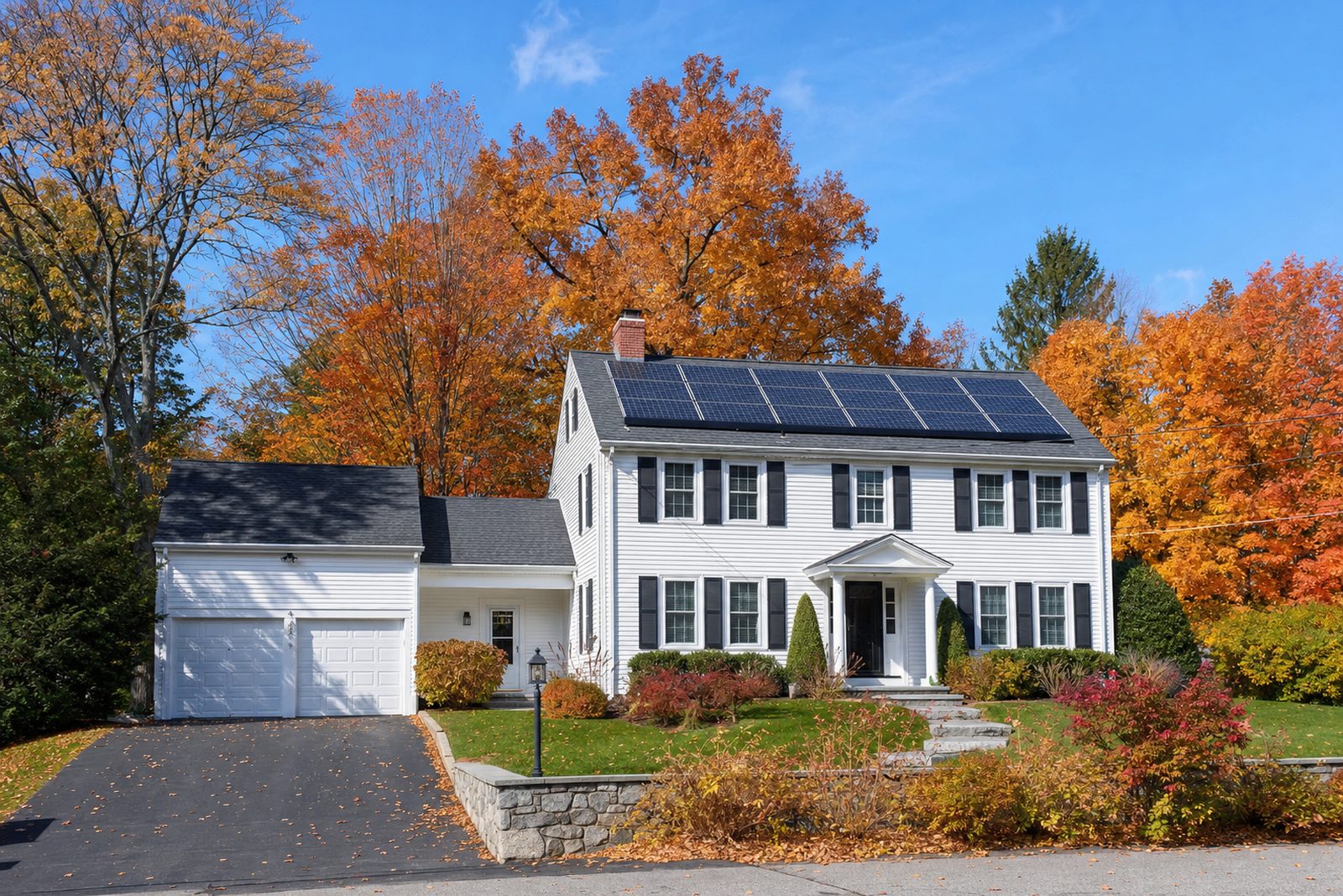
Solar in Massachusetts
Rates, incentives, payback, and what changed in 2026. The full picture for MA homeowners.

Solar in California
Net billing, the big three utilities, and the property tax deadline that lands January 1, 2027.
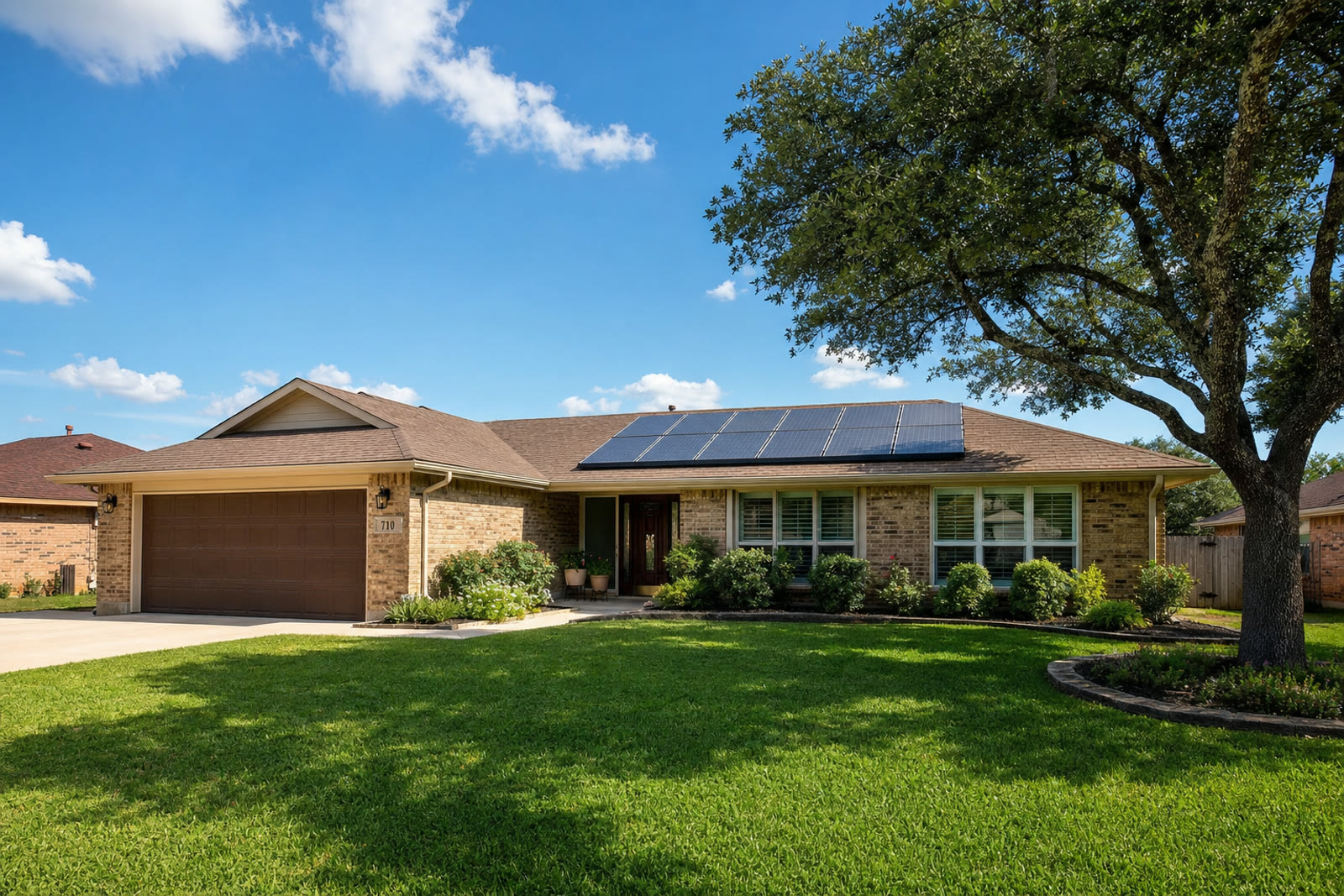
Solar in Texas
No statewide net metering. Your buyback plan decides the math, and we show you how to pick one.
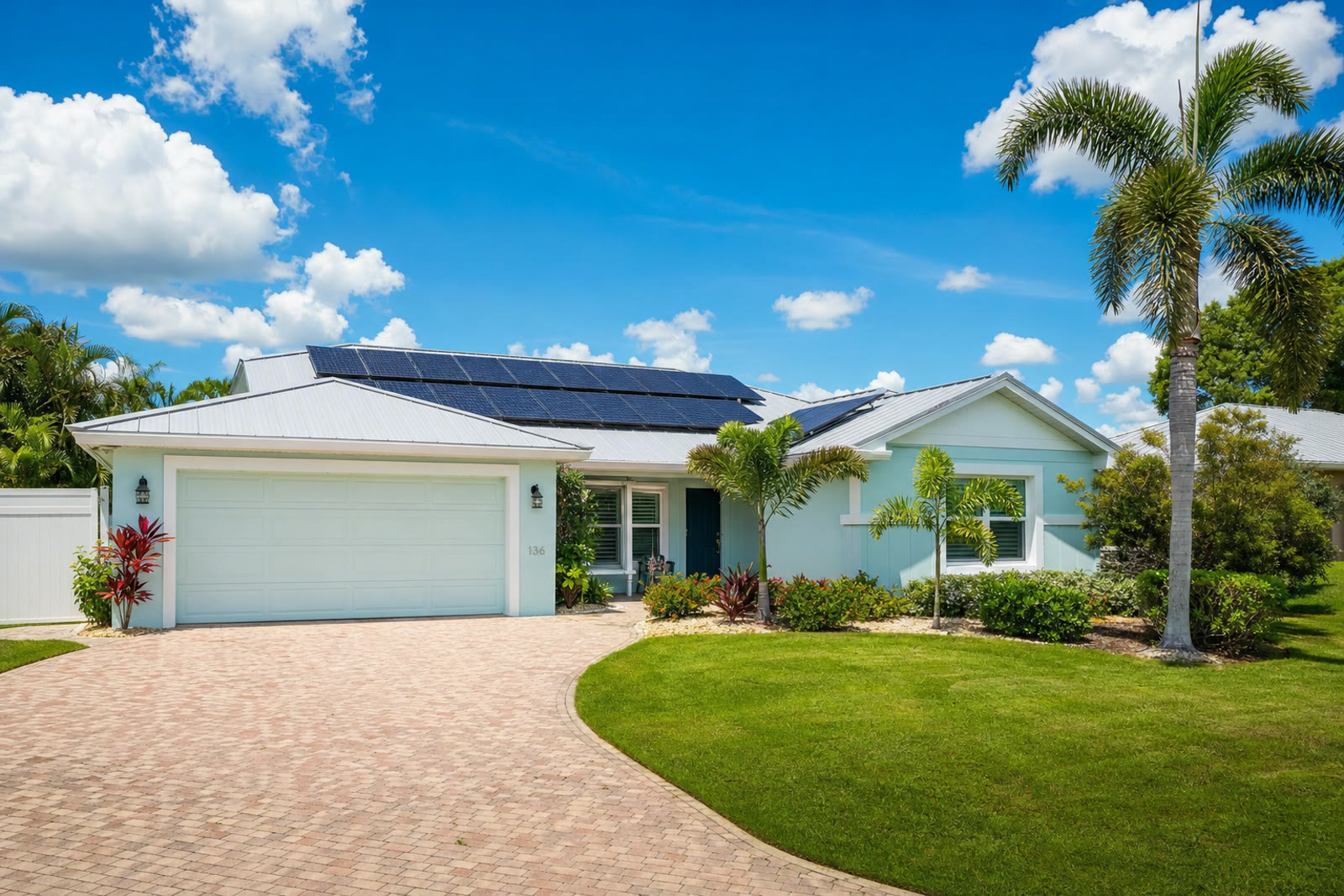
Solar in Florida
One of the last big states with full retail net metering, plus FPL's rate path through 2029.
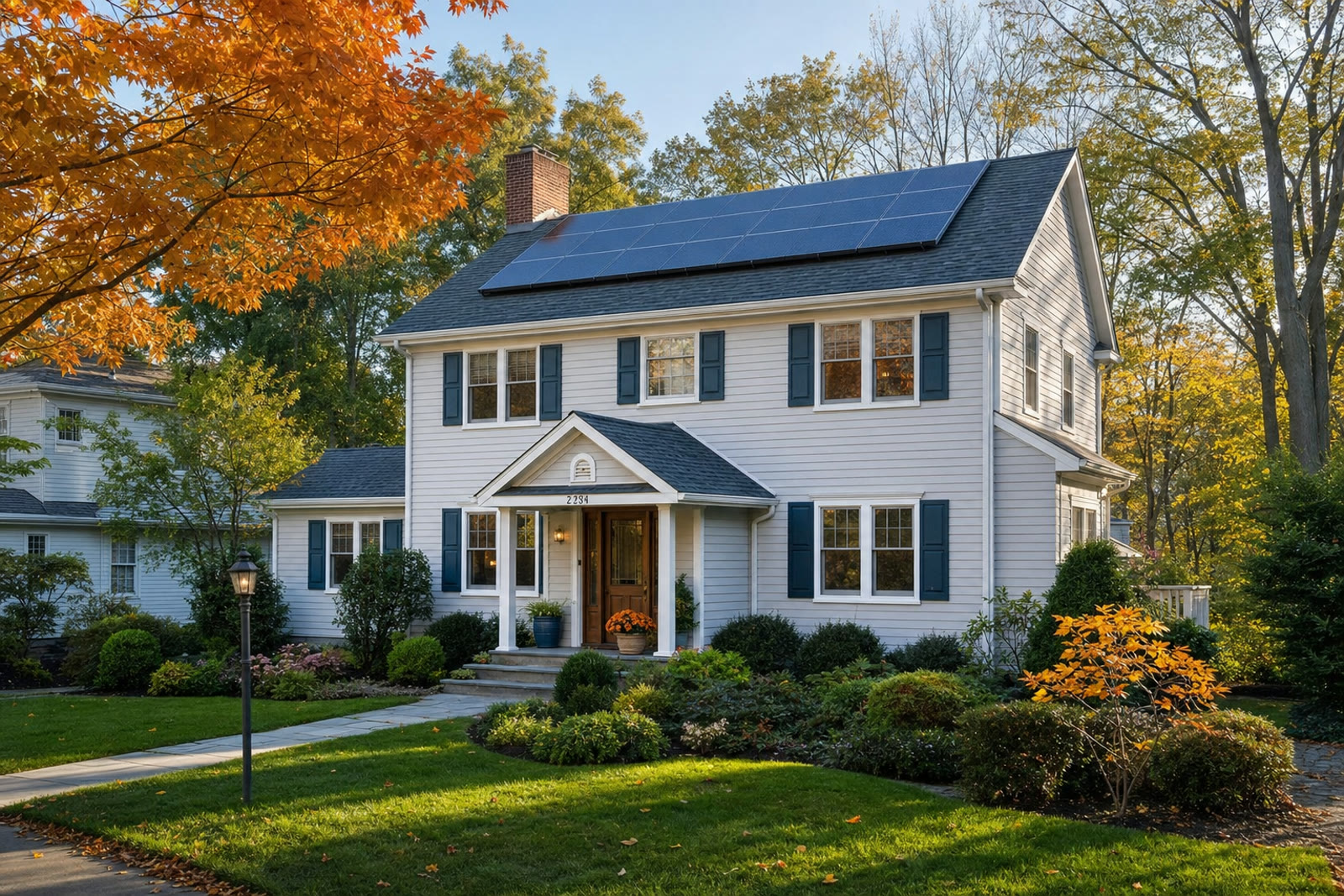
Solar in New York
The biggest state tax credit we cover, up to $5,000, set against the weakest sun. We run the math.

Solar in Arizona
The best sun in America and export rules where timing is an incentive. September 1 matters here.

Graded installers
A through F grades from license records, complaint data, and track record. Grades are never for sale.

Savings calculator
Cash, loan, and lease compared side by side with your real utility rate. Every formula documented.
Why trust our numbers
We install solar. We also tell you when solar is a bad idea.
Most solar sites are lead brokers with a blog attached. We are a solar installer with a partner network, and we put that in writing on every page. Then we show our math so you can check it.
- Every rate and incentive links to the government source it came from
- Installer grades come from public records, and grades are never sold
- The 2026 federal credit change is reflected in every number we publish
- Your info goes only where you say it can go. No list selling