Skip to content
Solar Learning Lab
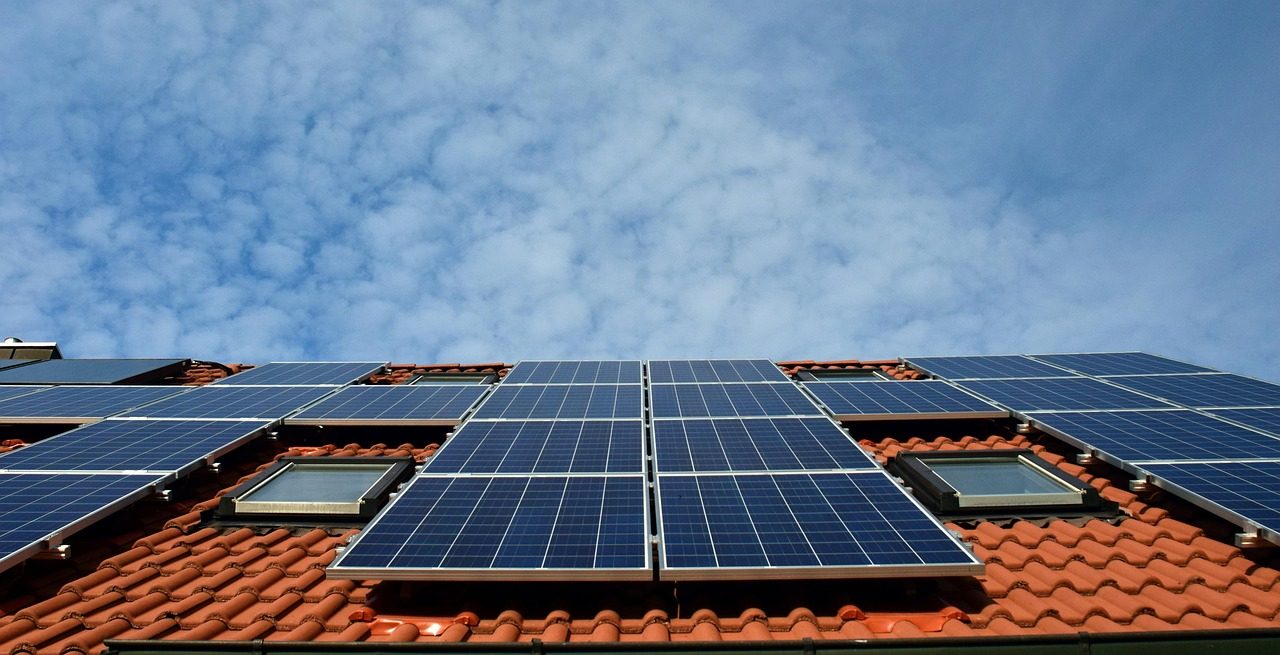
Rooftop solar panels on a single family home

Photo: ulleo, via Pixabay

Arizona · Mesa

Solar in Mesa in 2026

Written by the Solar Learning Lab research deskUpdated August 21, 202613 min read

Mesa requires an address-first solar review. The small City of Mesa electric territory centered on downtown has its own interconnection and qualifying net-metering rules. Much of the city is SRP territory. A roof image does not identify that split. The electric bill does, and that one document can change the export logic, the size limit and the review sequence.

1793.9 kWh

PVGIS annual output per installed kW

n.a.

Published city permit figure or n.a. gap

15.23¢

Arizona EIA calculator baseline, not a local tariff

This page separates the documents that support a decision from the values the current source set cannot verify. It does not fill gaps with sales assumptions.

Start with the address and bill

Use the calculator for an initial range, then require a written model tied to the utility, roof and review path.

Request a Mesa estimate

Mesa documentation: eia · energysage · azcredit · statute · congress · pvgis · census · srpCompare · srpRoof · srpE27 · srpTou · srpRebates · srpRec · apsRcp · acc · ariseia · weather · faq · solar · fees · rates · territory · mesaGreen · climate.
One city, two electric stories

The service territory is the decision fork. Work through municipal service rules before reading an SRP plan, and do not use an SRP export assumption for a downtown municipal account.

Energy sourceTypeAverage priceWhat that means
City of Mesa ElectricElectricityE1.1 schedule per kWhMunicipal territory centered on downtown, with its own solar framework.
SRPElectricityplan dependent per kWhExport treatment and plan selection need direct ratebook verification.
Mesa rooftop solarElectricityterritory specific per kWhMunicipal net metering and SRP plans require separate analysis.

Mesa documentation: eia · energysage · azcredit · statute · congress · pvgis · census · srpCompare · srpRoof · srpE27 · srpTou · srpRebates · srpRec · apsRcp · acc · ariseia · weather · faq · solar · fees · rates · territory · mesaGreen · climate.

Mesa has two solar markets hidden inside one municipal boundary

The City of Mesa electric utility serves more than 17,500 homes and businesses in roughly 5.5 square miles around downtown. SRP serves the remainder of the city. That makes the first useful question painfully ordinary: who sends the electric bill? A rooftop proposal without that answer is not localized. The city utility says roughly 20 percent of its power is renewable and that more than one megawatt of customer-owned solar sits inside its small service area.

For city-utility customers, residential and commercial systems at or below 50 kW receive net metering in fiscal year 2025-26. Systems above 50 kW go to a fixed buyback program, and a system that produces more than half of annual energy use can trigger the Self Generation Standby Rate. The implication is blunt: downtown Mesa customers should not assume that filling every available roof plane is rewarded. The utility’s own sizing threshold says otherwise.

Mesa documentation: eia · energysage · azcredit · statute · congress · pvgis · census · srpCompare · srpRoof · srpE27 · srpTou · srpRebates · srpRec · apsRcp · acc · ariseia · weather · faq · solar · fees · rates · territory · mesaGreen · climate.

SRP territory needs more caution, not a neat export-rate claim

SRP offers both net-metering plans and export-rate plans. Its Customer Generation plan has tiered monthly service charges and seasonal on-peak and off-peak prices. The Time-of-Use Export plan has published retail prices and no monthly demand charge. But the export credit is a problem in the sources, not an opportunity to pick the more flattering number. SRP plan pages state 3.45 cents per kWh. SRP’s rooftop solar page states 1.87 cents per kWh for the same family of plans. Both links are provided below.

We will not publish either figure as settled fact. SRP publishes conflicting figures. Verify the current ratebook and the exact plan before signing, and make the proposal show what happens if exported production is valued lower than expected. That is more valuable than a polished payback estimate built on a number the utility contradicts elsewhere.

Mesa documentation: eia · energysage · azcredit · statute · congress · pvgis · census · srpCompare · srpRoof · srpE27 · srpTou · srpRebates · srpRec · apsRcp · acc · ariseia · weather · faq · solar · fees · rates · territory · mesaGreen · climate.

Municipal exemption does not erase utility work

Mesa permitting can be simpler than the solar industry makes it sound

Mesa's residential construction FAQ says a certified solar power system under 10,000 square feet installed by a licensed Arizona contractor does not need a construction permit. New meters or circuits do require one, historic homes require Planning approval, and Mesa Utilities says a battery or meter-panel upgrade requires a Development Services permit. This is not a blanket permit-free promise. It is a specific exemption with meaningful exceptions.

The fee schedule does not publish a flat residential solar permit fee. It does describe valuation-priced electrical permits and a four percent technology improvement fee, capped at $800 per permit. For a Mesa utility solar project, the utility separately lists up to four weeks for Phase 1 design review, up to four weeks for Phase 2 install review, then interconnection based on availability. A permit exemption does not erase utility process. Keep the city process and the utility process in separate columns when comparing quotes.

Mesa documentation: eia · energysage · azcredit · statute · congress · pvgis · census · srpCompare · srpRoof · srpE27 · srpTou · srpRebates · srpRec · apsRcp · acc · ariseia · weather · faq · solar · fees · rates · territory · mesaGreen · climate.

Production needs a territory beside it

Jan
Feb
Mar
Apr
May
Jun
Jul
Aug
Sep
Oct
Nov
Dec

May is the high point in this Mesa PVGIS run, not a guarantee for an individual roof.

Method: PVGIS v5.2. PVGIS v5.2 model run by Solar Learning Lab on August 21, 2026, NSRDB radiation database. Fixed south facing mount, 30 degree tilt, 14 percent losses, downtown Mesa coordinates. Your roof will differ.

Production belongs next to the bill, not above it

Our Mesa PVGIS model estimates 1,793.9 kWh per kW per year. May is its high point at 173.3 kWh per kW, while December is 123.2. That is productive, but it does not tell us how much of the output lands behind the meter. In Mesa’s city service area, the 50 percent annual-use line makes the consumption history especially important. In SRP territory, the difference between a net-metering plan and an export plan does the same.

Phoenix climate normals are the closest verified regional context in this research set: 75.6 F annual average temperature and 7.22 inches of annual rain for 1991-2020. We have not labeled those as Mesa-specific normals because they are not. The production run is specifically for Mesa coordinates; the weather context is regional.

Mesa documentation: eia · energysage · azcredit · statute · congress · pvgis · census · srpCompare · srpRoof · srpE27 · srpTou · srpRebates · srpRec · apsRcp · acc · ariseia · weather · faq · solar · fees · rates · territory · mesaGreen · climate.

Rates and incentives: a split city cannot use a single retail number honestly

Mesa municipal E1.1 lists a $20.50 monthly system service charge and seasonal energy prices, with separate thresholds for May and October and November through April. SRP's Customer Generation plan likewise publishes seasonal and tiered service-charge details. There is no defensible citywide retail rate that describes both territories, so the calculator retains the verified Arizona EIA average rather than pretending it is a Mesa utility tariff.

Mesa publishes no residential solar or battery rebate on its Solar Program page. SRP lists $250 back for a qualifying solar customer who buys and installs a demand management system, calls it a limited-time offer, and separately offers a Renewable Energy Credit Purchase Program at $0.005 per kWh of generation. SRP also describes battery program bill credits but does not publish a dollar amount in the material reviewed. Those are different incentives with different requirements, not a single rebate stack.

Mesa documentation: eia · energysage · azcredit · statute · congress · pvgis · census · srpCompare · srpRoof · srpE27 · srpTou · srpRebates · srpRec · apsRcp · acc · ariseia · weather · faq · solar · fees · rates · territory · mesaGreen · climate.

Federal credit status: residential 25D credit ended December 31, 2025; lease/PPA providers may claim 48E. Congressional Research Service.

Mesa decision notes from the local record

Mesa’s municipal service area is small enough that it should not be guessed from a neighborhood name. The city utility serves more than 17,500 homes and businesses in roughly 5.5 square miles centered on downtown, while SRP serves the remainder. That split makes “Mesa utility rate” a bad phrase unless the address has already been qualified. Ask the installer to show the service-territory determination in the proposal, not merely say it was checked.

Mesa documentation: eia · energysage · azcredit · statute · congress · pvgis · census · srpCompare · srpRoof · srpE27 · srpTou · srpRebates · srpRec · apsRcp · acc · ariseia · weather · faq · solar · fees · rates · territory · mesaGreen · climate.

For a City of Mesa Electric customer, the 50 kW and 50 percent rules are the two numbers that should enter design conversation early. The cited program gives net metering to qualifying residential and commercial systems at or below 50 kW. It also places systems expected to produce more than half of annual use on the Self Generation Standby Rate. Bigger is not automatically better. The useful design is the one that matches measured use and the governing rule.

Mesa documentation: eia · energysage · azcredit · statute · congress · pvgis · census · srpCompare · srpRoof · srpE27 · srpTou · srpRebates · srpRec · apsRcp · acc · ariseia · weather · faq · solar · fees · rates · territory · mesaGreen · climate.

Mesa’s permit exemption is meaningful, but it is narrow enough to read closely. The city says certified systems under 10,000 square feet installed by a licensed Arizona contractor do not need a construction permit. The same FAQ identifies new meters or circuits and historic homes as exceptions. Mesa Utilities separately identifies batteries and meter-panel upgrades as work that needs Development Services permitting. That is a checklist, not a marketing claim that solar is permit-free.

Mesa documentation: eia · energysage · azcredit · statute · congress · pvgis · census · srpCompare · srpRoof · srpE27 · srpTou · srpRebates · srpRec · apsRcp · acc · ariseia · weather · faq · solar · fees · rates · territory · mesaGreen · climate.

A municipal permit path and a municipal utility review are distinct. Mesa Utilities lists up to four weeks for Phase 1 design review and up to four weeks for Phase 2 installation review for its solar customers, with interconnection scheduled based on availability. A homeowner should ask when the interconnection agreement is executed, who owns each submission, and whether the construction schedule is contingent on an approval outside the contractor’s control. The answer changes the practical install date.

Mesa documentation: eia · energysage · azcredit · statute · congress · pvgis · census · srpCompare · srpRoof · srpE27 · srpTou · srpRebates · srpRec · apsRcp · acc · ariseia · weather · faq · solar · fees · rates · territory · mesaGreen · climate.

The local E1.1 rate is a ratebook, not a citywide savings assumption. It lists a $20.50 monthly system service charge and seasonal energy tiers. SRP customer generation plans, export plans and demand options have their own structures. The calculator uses the Arizona EIA average as a transparent planning baseline because it is better than pretending one retail price covers both territories. Replace it with the named plan and bill data before comparing loan, cash or lease proposals.

Mesa documentation: eia · energysage · azcredit · statute · congress · pvgis · census · srpCompare · srpRoof · srpE27 · srpTou · srpRebates · srpRec · apsRcp · acc · ariseia · weather · faq · solar · fees · rates · territory · mesaGreen · climate.

Mesa’s modeled rooftop production is 1,793.9 kWh per installed kW annually, with May at 173.3 and December at 123.2 in this fixed south-facing PVGIS run. The annual result is useful for comparing designs, but it does not decide the value of a particular kWh. Municipal customers need the annual-use threshold evaluated. SRP customers need their exact credit structure evaluated. Production is physical. Bill value is contractual. Keep those questions separate.

Mesa documentation: eia · energysage · azcredit · statute · congress · pvgis · census · srpCompare · srpRoof · srpE27 · srpTou · srpRebates · srpRec · apsRcp · acc · ariseia · weather · faq · solar · fees · rates · territory · mesaGreen · climate.

The city’s housing snapshot explains why Mesa has a large potential audience but not a universal one. The cited ACS data lists 196,065 households, 64.4 percent owner occupancy and 61.1 percent single-family housing. Those facts do not identify a property’s roof age, tree shading, HOA terms or electric territory. They only tell us many households have the kind of roof control required to ask the next useful question. Site facts still decide the project.

Mesa documentation: eia · energysage · azcredit · statute · congress · pvgis · census · srpCompare · srpRoof · srpE27 · srpTou · srpRebates · srpRec · apsRcp · acc · ariseia · weather · faq · solar · fees · rates · territory · mesaGreen · climate.

Mesa’s unresolved fields are worth keeping visible. The citywide fee schedule does not give a flat residential solar permit fee in the reviewed material. Mesa pages did not provide an instant-permitting statement. A Mesa-specific weather-normal source was not confirmed, so regional Phoenix normals are labeled regional rather than recast as local. Most important, SRP’s export sources conflict. Good process means stating those limits before someone converts a spreadsheet into a contract.

Mesa documentation: eia · energysage · azcredit · statute · congress · pvgis · census · srpCompare · srpRoof · srpE27 · srpTou · srpRebates · srpRec · apsRcp · acc · ariseia · weather · faq · solar · fees · rates · territory · mesaGreen · climate.

Mesa installer listings are not utility analysis

Any bidder should be able to identify the service territory, applicable solar framework and actual interconnection sequence before quoting the savings model.

Ratings snapshot: Google Maps, August 2026, via the DataForSEO SERP feed. Zero companies paid us and none are endorsed by us.

Cold Fusion Solar

Mesa

5.0(30 Google reviews)

Phelps Solar Specialists

Mesa

4.8(264 Google reviews)

Arizona Wholesale Solar

Mesa

4.8(90 Google reviews)

CR Power

Mesa

4.7(25 Google reviews)

SolarWRX

Mesa

4.6(20 Google reviews)

Valley Voltage LLC

Mesa

4.6(105 Google reviews)

JIT Solar LLC

Mesa

4.5(40 Google reviews)

Arizona Solar Wave

Mesa

4.5(44 Google reviews)

Ratings and review counts are Google Maps ratings for Mesa local results, retrieved August 17, 2026 via the DataForSEO SERP API. We list the highest rated established companies we found. No company paid to appear here, and appearing here is not an endorsement. Check current reviews and licensing before you sign anything.

Run separate Mesa scenarios

Use this as an initial range only. The final model should be rebuilt after the address has been assigned to City of Mesa Electric or SRP.

$160
1,794

The upper bound is our south-facing PVGIS run for Mesa; the lower bound is 85 percent of that annual output to show how roof orientation and layout can reduce a real project.

$2.20

Cash quotes in Mesa cluster near $2.20 per watt, against a $3.50 national 2024 median (LBNL). Use your quote.

Assumptions you can change
2.5%
7%
15
24c

Use the rate on your actual lease or PPA quote. There is no published statewide average we trust enough to hardcode.

2%
Estimated system: 7 kWAnnual usage: 12,607 kWhState credit: $1,000

Cash purchase

$14,400 after state credit

Year 1 benefit
$159/mo
Payback
8 years
20 year net position
$32,010

Arizona Form 310 remains a 25 percent state credit capped at $1,000 per residence. The federal residential 25D credit ended December 31, 2025. Utility territory and current plan can matter more than a statewide average.

Solar loan

$205/mo 15 yr payment

Year 1 net
-$46/mo
Upfront
$0
20 year net position
$9,522

The Arizona loan estimate starts with the verified state cash benchmark and keeps financing separate from the state tax-credit calculation.

Lease / PPA

$0 down you buy the power

Year 1 net
-$92/mo
Upfront
$0
20 year net position
-$23,210

A lease or PPA provider may claim the federal 48E business credit. That is provider economics, not a homeowner 25D credit.

Estimates, not quotes. This calculator uses the Arizona EIA residential average, EnergySage Arizona cost data and our city PVGIS production run. Actual utility territory, plan, roof layout and export terms can change results. We are a solar installer and we also partner with other solar companies. See our disclosures.

Mesa comparison discipline

Mesa’s address-first process can be turned into a useful negotiation tool. Tell each bidder which provider serves the property before asking for a model. For municipal accounts, require a clear annual-use calculation and identify whether the proposed design approaches the program threshold. For SRP accounts, require the source pages behind any export assumption and the tariff name used in the calculation. Then compare production layout, interconnection milestones and price. This keeps a contractor from using a favorable policy that belongs to another part of the city. It also gives the homeowner a clean reason to reject a vague offer: if the provider is wrong or the credit source is not shown, the model is not local enough to evaluate.

Mesa documentation: eia · energysage · azcredit · statute · congress · pvgis · census · srpCompare · srpRoof · srpE27 · srpTou · srpRebates · srpRec · apsRcp · acc · ariseia · weather · faq · solar · fees · rates · territory · mesaGreen · climate.

Mesa address audit: what should be resolved before equipment is ordered

Local review point 1

Mesa has a service-territory problem that should be treated as the first design constraint. The municipal electric area is concentrated around downtown and is small compared with the city as a whole. Most casual descriptions of “Mesa solar” skip that split. Do not. Ask the bidder to put the serving utility on the first page of the proposal and attach the basis for that determination. A street address, bill and service map inquiry are more useful than a neighborhood label. Until the provider is fixed, a savings calculation is not localized enough to evaluate.

Mesa documentation: eia · energysage · azcredit · statute · congress · pvgis · census · srpCompare · srpRoof · srpE27 · srpTou · srpRebates · srpRec · apsRcp · acc · ariseia · weather · faq · solar · fees · rates · territory · mesaGreen · climate.

Local review point 2

For an account in City of Mesa Electric territory, array size needs an annual-use conversation before equipment selection. The municipal program’s qualifying net-metering structure and its Self Generation Standby Rate threshold create a reason to compare expected production with actual annual consumption. This is not an argument against a larger system. It is an argument against adding panels before the modeled output has been tested against the policy that applies to the account. Ask for the prior twelve months of use, the proposed annual production and the calculation showing whether the threshold is approached.

Mesa documentation: eia · energysage · azcredit · statute · congress · pvgis · census · srpCompare · srpRoof · srpE27 · srpTou · srpRebates · srpRec · apsRcp · acc · ariseia · weather · faq · solar · fees · rates · territory · mesaGreen · climate.

Local review point 3

Mesa’s permit exemption can reduce administrative work, but it should not be turned into a blanket “no permit” claim. The city FAQ describes an exemption for a certified solar system under 10,000 square feet installed by a licensed Arizona contractor. It also identifies exceptions involving new meters or circuits and historic homes. The municipal utility material adds batteries and meter-panel upgrades to the items that can require Development Services permitting. A homeowner should ask which condition applies to this exact scope. The honest answer may be simple, but it needs to be address and equipment specific.

Mesa documentation: eia · energysage · azcredit · statute · congress · pvgis · census · srpCompare · srpRoof · srpE27 · srpTou · srpRebates · srpRec · apsRcp · acc · ariseia · weather · faq · solar · fees · rates · territory · mesaGreen · climate.

Local review point 4

The municipal utility review has its own calendar even where a construction permit is not the primary friction point. The cited Solar Program describes a design review phase, an installation review phase and interconnection subject to availability. A project schedule should name each of those gates, identify who submits the materials and show when an interconnection agreement becomes binding. That prevents a buyer from thinking the contractor’s installation date is the same as permission to energize. It is not. City approval, construction completion and utility operation are separate events with different owners.

Mesa documentation: eia · energysage · azcredit · statute · congress · pvgis · census · srpCompare · srpRoof · srpE27 · srpTou · srpRebates · srpRec · apsRcp · acc · ariseia · weather · faq · solar · fees · rates · territory · mesaGreen · climate.

Local review point 5

Mesa E1.1 is valuable as a ratebook reference because it gives a municipal customer an actual tariff structure instead of a generic Phoenix number. It includes a monthly system service charge and seasonal energy tiers. That still does not make it an automatic savings rate. A bill model should use the applicable tariff, consumption pattern and system behavior, then disclose the calculation. The statewide EIA value can be useful as a transparent initial calculator baseline, but it should disappear from a final municipal proposal once the actual account data is available.

Mesa documentation: eia · energysage · azcredit · statute · congress · pvgis · census · srpCompare · srpRoof · srpE27 · srpTou · srpRebates · srpRec · apsRcp · acc · ariseia · weather · faq · solar · fees · rates · territory · mesaGreen · climate.

Local review point 6

An SRP account needs a different kind of caution. The reviewed SRP plan pages publish 3.45 cents per kWh for export-rate plans, while SRP’s rooftop-solar page publishes 1.87 cents per kWh for the same plan family. SRP publishes conflicting figures. Both links belong in the project file. Do not average the numbers, silently select the higher one or call either the current settled value. Ask the installer to show the live ratebook and model self-consumption separately from exports. If the economics depend on a disputed export input, that is a decision finding.

Mesa documentation: eia · energysage · azcredit · statute · congress · pvgis · census · srpCompare · srpRoof · srpE27 · srpTou · srpRebates · srpRec · apsRcp · acc · ariseia · weather · faq · solar · fees · rates · territory · mesaGreen · climate.

Local review point 7

Mesa’s production model should be used with the territory split, not apart from it. The fixed PVGIS run gives a city-coordinate annual baseline and a month-by-month curve, but the economic consequence changes by provider. A municipal account may need its production compared with the annual-use threshold. An SRP account may need its exported share stress-tested at more than one provisional assumption. The same roof can produce the same electricity in both cases. The contract value of the marginal kilowatt-hour is what changes. Production and compensation are separate layers.

Mesa documentation: eia · energysage · azcredit · statute · congress · pvgis · census · srpCompare · srpRoof · srpE27 · srpTou · srpRebates · srpRec · apsRcp · acc · ariseia · weather · faq · solar · fees · rates · territory · mesaGreen · climate.

Local review point 8

The city’s small utility footprint has context worth keeping, without turning it into a sales promise. The cited business utility page reports more than 17,500 municipal customers, roughly 5.5 square miles of coverage, about one megawatt of customer-owned solar and a power supply with renewable content. Those facts explain why Mesa Electric has its own solar rules. They do not establish a return for any individual house. The homeowner still needs an address qualification, bill history, roof layout and program-specific interconnection review. Local adoption is context, not an economic guarantee.

Mesa documentation: eia · energysage · azcredit · statute · congress · pvgis · census · srpCompare · srpRoof · srpE27 · srpTou · srpRebates · srpRec · apsRcp · acc · ariseia · weather · faq · solar · fees · rates · territory · mesaGreen · climate.

Local review point 9

Mesa homeowners considering a battery should ask a different question from PV-only buyers. Is the battery intended to provide essential-load backup, change when energy is taken from the grid, participate in a utility program, or support a future electrification plan? The city material says a battery can change the permit path, so equipment choice should follow the operating objective. Draw the location, list the supported loads and clarify whether the electrical panel can accept the configuration. A battery described only as an add-on is likely to produce an incomplete scope and an incomplete price.

Mesa documentation: eia · energysage · azcredit · statute · congress · pvgis · census · srpCompare · srpRoof · srpE27 · srpTou · srpRebates · srpRec · apsRcp · acc · ariseia · weather · faq · solar · fees · rates · territory · mesaGreen · climate.

Local review point 10

The regional weather note needs honest labeling. The reviewed climate context is Phoenix metropolitan normal data, not a Mesa-specific weather-normal record. The production model itself uses Mesa coordinates. Keeping that distinction visible is not pedantry. It prevents regional heat and rainfall context from being misrepresented as a site or city measurement. A good production proposal will state its radiation model, orientation, tilt, loss assumption and the roof-specific deviations from those assumptions. That tells the buyer what is modeled instead of selling a weather adjective.

Mesa documentation: eia · energysage · azcredit · statute · congress · pvgis · census · srpCompare · srpRoof · srpE27 · srpTou · srpRebates · srpRec · apsRcp · acc · ariseia · weather · faq · solar · fees · rates · territory · mesaGreen · climate.

Local review point 11

Mesa’s final comparison should be divided into two folders. The municipal folder contains the City of Mesa Electric rate and solar-program path, annual-use test, utility review timeline and relevant permit exception. The SRP folder contains the named price plan, both conflicting export documents and the current ratebook evidence. Only one folder should apply to the address. If a bidder uses facts from both to create the most attractive forecast, the forecast is not a Mesa-specific model. It is a patchwork.

Mesa documentation: eia · energysage · azcredit · statute · congress · pvgis · census · srpCompare · srpRoof · srpE27 · srpTou · srpRebates · srpRec · apsRcp · acc · ariseia · weather · faq · solar · fees · rates · territory · mesaGreen · climate.

Questions Mesa buyers should keep on the checklist

Why does utility territory matter more in Mesa?
The municipal utility serves roughly 5.5 square miles around downtown and SRP serves the remainder. The programs, rates and solar-credit rules are not interchangeable, so start with the bill.
Does Mesa require a solar construction permit?
A certified solar system under 10,000 square feet installed by a licensed Arizona contractor is described by Mesa as exempt from a construction permit. New circuits, new meters, batteries, meter-panel upgrades and historic review can change the path.
What should an SRP export calculation show?
SRP publishes 3.45 cents per kWh on its plan pages and 1.87 cents per kWh on its rooftop-solar page. SRP publishes conflicting figures, so neither is stated here as settled fact. Ask for both primary pages and the current ratebook before using an export value.
Can a Mesa Electric system be oversized freely?
No. The reviewed municipal program says a system producing more than 50 percent of annual energy use triggers the Self Generation Standby Rate. Model annual use before filling every available roof plane.
Which incentives are confirmed?
Arizona Form 310 remains a state credit equal to 25 percent of cost, capped at $1,000 per residence. The residential federal 25D credit ended December 31, 2025. Mesa does not publish a residential solar or battery rebate on the reviewed Solar Program page.

The Mesa decision standard

Mesa buyers should resist the urge to call this a single local market. The municipal territory and SRP territory share a city boundary, but they do not share a solar decision framework. One address may need an annual-use threshold checked under a municipal program. Another may need an export model that confronts contradictory SRP statements. That is why the most valuable document is usually the electric bill, not a generic quote. Once the provider is confirmed, the homeowner can ask the right questions about interconnection, permit exceptions, tariff structure and array size. Before that point, a Mesa savings forecast is only a hypothesis with a city name on it.

Mesa documentation: eia · energysage · azcredit · statute · congress · pvgis · census · srpCompare · srpRoof · srpE27 · srpTou · srpRebates · srpRec · apsRcp · acc · ariseia · weather · faq · solar · fees · rates · territory · mesaGreen · climate.

One last Mesa check

Mesa’s final check is territorial accuracy. The property should have a named provider, a named solar program and a named rate treatment before a savings number is repeated in a contract. This is not pedantry. The city has a real municipal service footprint and SRP serves much of the remaining area, so a generic “Mesa solar rate” is not a local fact. Ask for the provider determination in the proposal file. Once that is secured, a homeowner can meaningfully compare system size and credits instead of spending time debating a number that may never have applied to the address.

Mesa documentation: eia · energysage · azcredit · statute · congress · pvgis · census · srpCompare · srpRoof · srpE27 · srpTou · srpRebates · srpRec · apsRcp · acc · ariseia · weather · faq · solar · fees · rates · territory · mesaGreen · climate.

Source ledger

The page links the municipal, SRP, state, federal, PVGIS and Census sources used for the factual statements. Values without support remain n.a.

Mesa documentation: eia · energysage · azcredit · statute · congress · pvgis · census · srpCompare · srpRoof · srpE27 · srpTou · srpRebates · srpRec · apsRcp · acc · ariseia · weather · faq · solar · fees · rates · territory · mesaGreen · climate.

Request a Mesa address review

We are a solar installer and we also partner with other solar companies. Start with your address, electricity bill and roof information, then compare written assumptions rather than just a total price.

What does your monthly electric bill look like?

Arizona average is $167 per month (EIA, 2024).