Yield on Amoskeag era housing
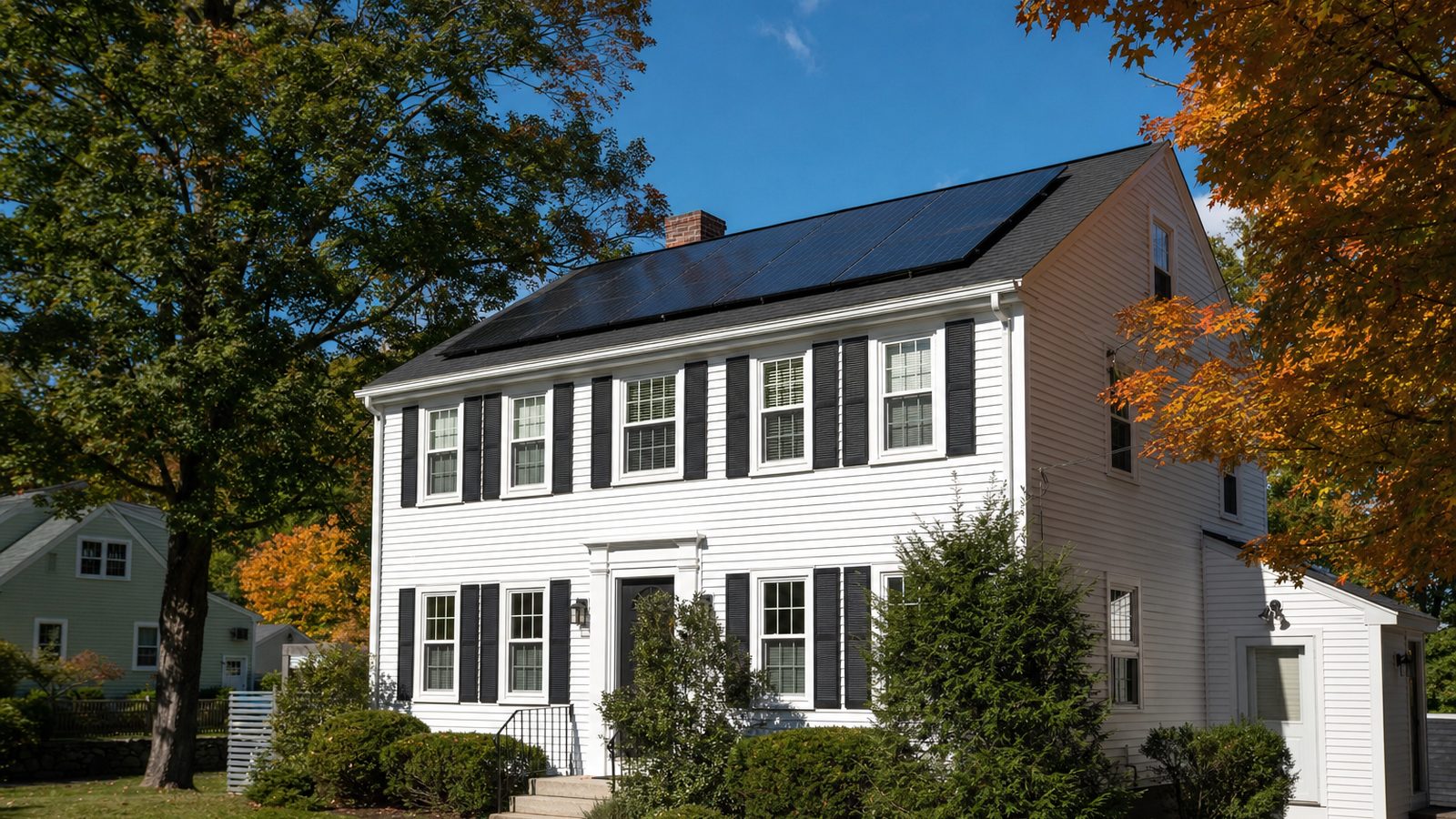
Our downtown Manchester run models 1308.1 kWh per kW per year, with July at 136.7 kWh per kW and December at 65.7. That lands within a few percent of our Boston area runs, so northern latitude is not the obstacle people assume. The housing is the variable. Manchester grew as a planned Amoskeag company town founded in 1838 on the Merrimack's east bank, and mill era multifamily stock still defines whole neighborhoods; the city counted 49,288 housing units at the 2010 census. Per the US Census Bureau, ACS 5-year estimates, 2023, 49.3 percent of households own and 40.8 percent of units are single family, healthier ownership numbers than most New England mill cities, though remember the Master electrician requirement kicks in the moment a building is multifamily or not owner occupied. January averages 25.6 degrees F here, so panel snow behavior and roof structure deserve the same scrutiny as the electrical design.
Jan
Feb
Mar
Apr
May
Jun
Jul
Aug
Sep
Oct
Nov
Dec
A location model, not a site survey. Orientation toward your own load hours matters extra under NEM 2.0.
PVGIS. PVGIS v5.2 NSRDB, run by Solar Learning Lab on August 31, 2026, 30 degree tilt, 14 percent losses, downtown coordinates. Your roof will differ.
| Energy source | Type | Average price | What that means |
|---|
| New Hampshire | Residential electricity | 27.33¢ calculator benchmark | Table 5.6.A, May 2026 |
|---|
| Manchester | PVGIS output | 1308.1 kWh per kW annually | South facing location model, not your roof. |
|---|
The benchmark is a statewide average. Your Eversource NH default service rate resets every six months.